All year round Litchfield National Park in the Northern Territory is a changing landscape. From thundering waterfalls to dense monsoon forests the park’s natural attractions are in a constant state of flux. This guide will help you navigate the seasons so you can make the most of your visit whether you’re here for a day or longer.
Ecosystem
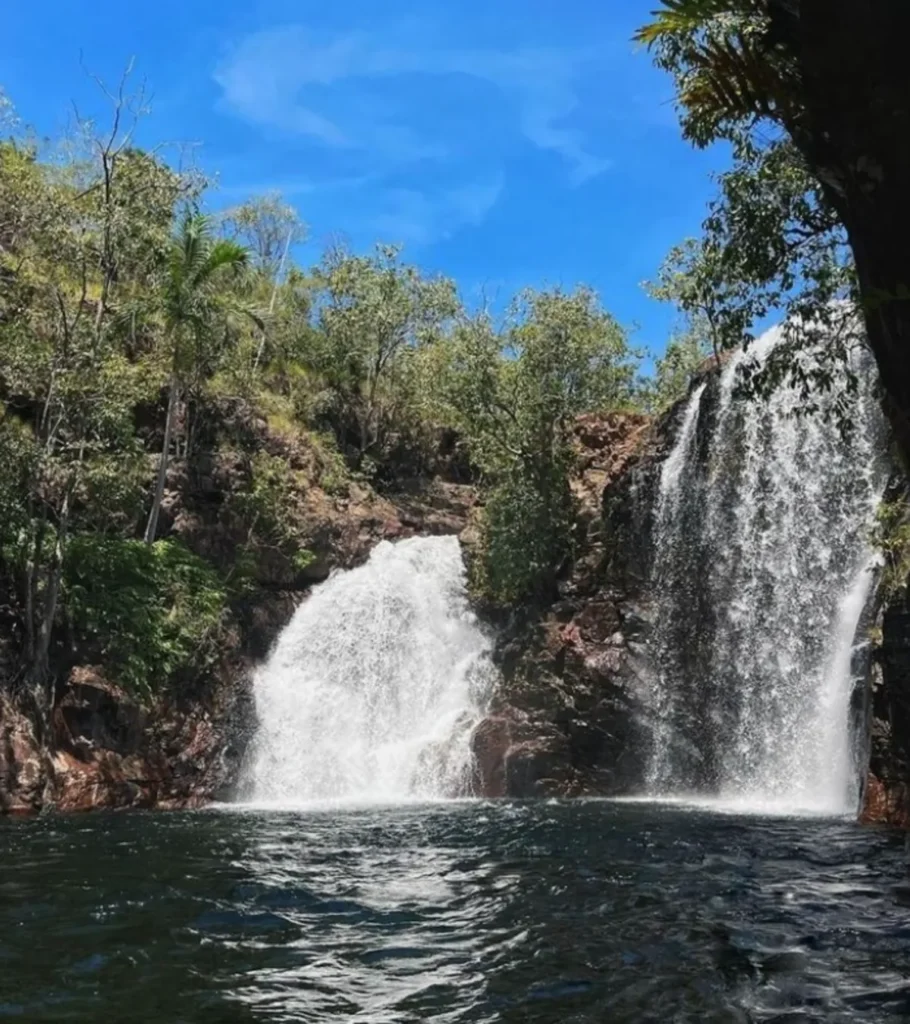
Litchfield National Park has a unique ecosystem with diverse landscapes, including pockets of subtropical rainforest, rugged stone country and ancient rock formations. The park is home to many different animals and plants – some of them rare – such as the endemic Warray Aboriginal species and saltwater crocodiles. Each season brings changes that affect habitats by altering water levels in the waterfalls and plunge pools.
Water World
Litchfield National Park is famous for its swimming holes and pools. Buley Rockhole, where you can sit beneath cascading rock pools and soak up the coolness; Wangi Falls, with its deep plunge pool perfect for swimming; and Florence Falls, which tumbles into a large shady pool surrounded by rocks. The park also has interesting rock formations and giant termite mounds to add to the mix.
Adventure Your Way
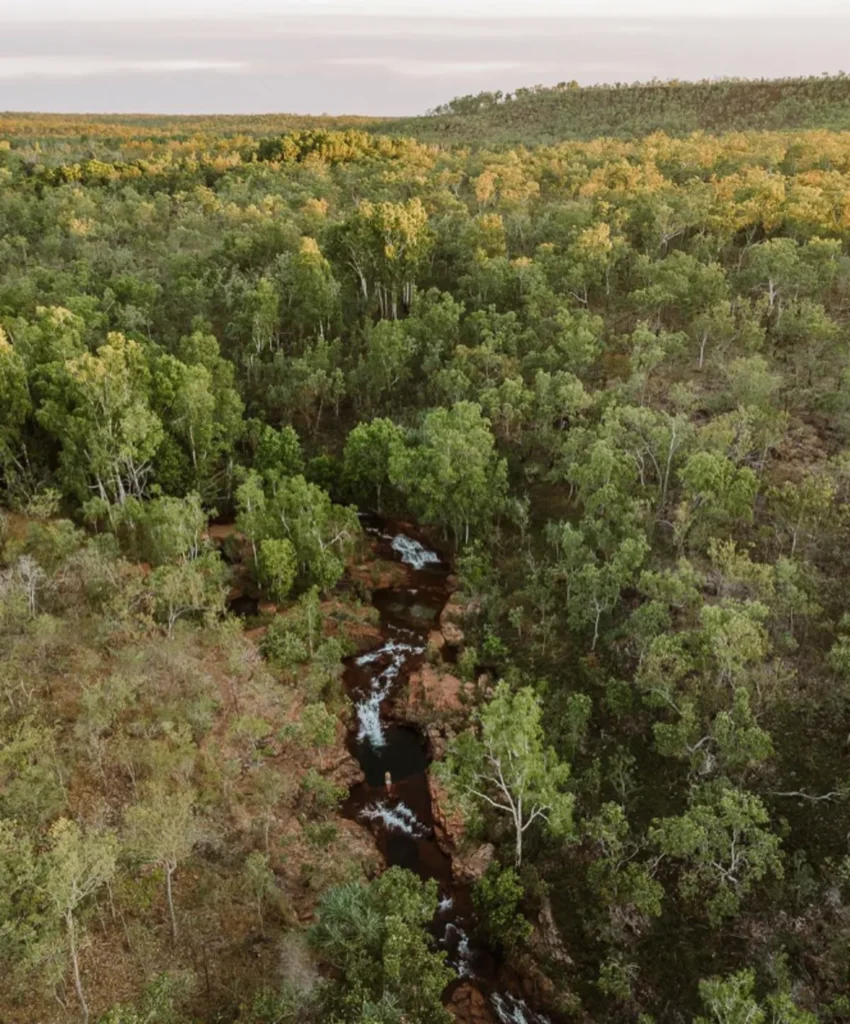
Whether it’s a peaceful picnic or an adrenaline rush, Litchfield National Park has something for everyone. It has walking trails that lead to lookouts over natural attractions like Tjaetaba Falls Lookout or Tabletop Swamp or through areas like Lost City, where you can see unusual shapes created by weathering on sandstone outcrops called “Towers”. You could also take part in guided activities at Berry Springs Nature Reserve, where you can spend time lazing by pristine swimming holes or exploring hidden gorges.
Climate And Weather
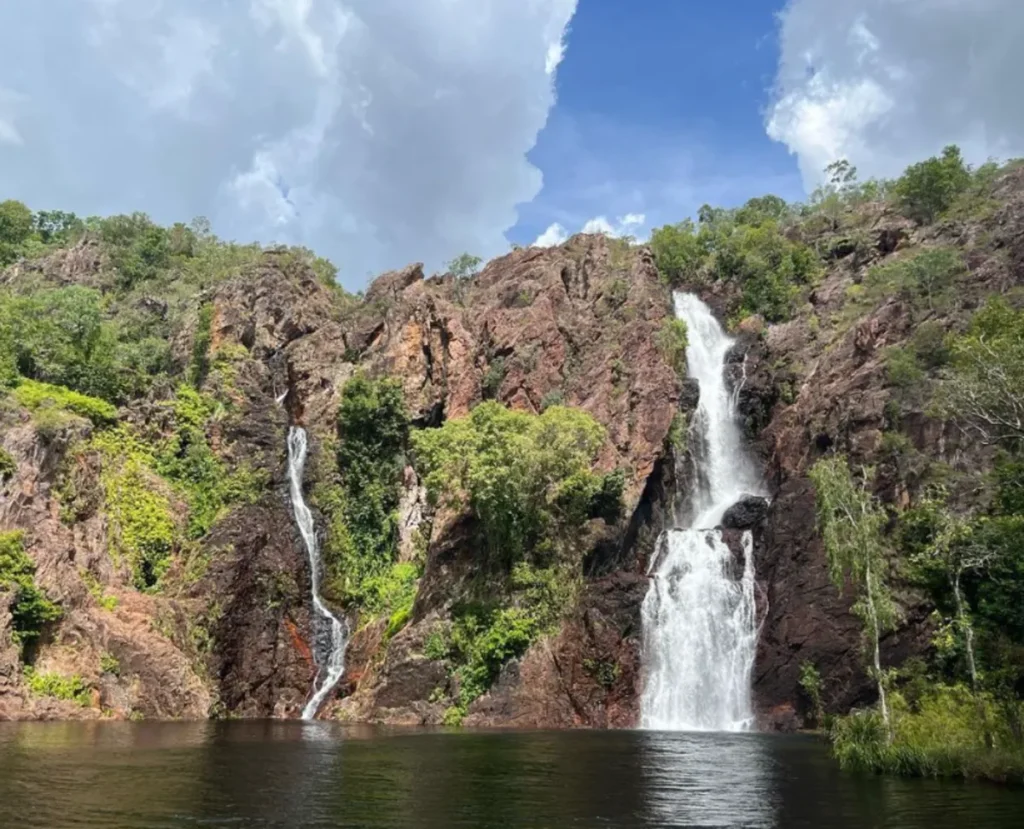
There are two seasons at Litchfield National Park – wet and dry. Knowing these will help you plan when to visit and what to do.
| Season | Duration | Characteristics | Average Temperature |
|---|---|---|---|
| Wet Season | November to April | High humidity, frequent rain showers, lush greenery | 25°C – 35°C |
| Dry Season | May to October | Lower humidity, clear skies, cooler temperatures | 15°C – 30°C |
Dry Season
Lower humidity and cooler temperatures. May to October. It is the perfect time to visit Litchfield National Park as water levels in the natural pools of the park (Florence Falls, Wangi Falls, Tjaetaba Falls, etc) are great for swimming. Clear skies to explore many walking tracks and viewing platforms in the park.
Wet Season
November to April. High humidity and monsoons. The park is like a green heaven on earth. More dramatically, waterfalls flow like curtain falls or surprise creek falls. Some areas may be inaccessible due to flooding, but this is the time to see the Scarce rainforests full of life and their replenished ponds.
Visiting Litchfield National Park: Tips
Safety
Be careful when visiting Litchfield National Park, as it has a wet season from November to April. During this time, there can be heavy rain, and road conditions can change suddenly, leading to flooding. Before you go, check local weather forecasts, as some areas may be closed due to flooding. If roads have been flooded, do not use them as they are dangerous. Use only 4WD vehicles. Anticipate weather changes, so if some areas are closed, you have an option. Check park authorities’ safety guidelines to ensure your visit is safe and enjoyable.
What to Bring
If you want to make your trip to Litchfield National Park productive, here’s what you should have:
- Water: When walking in the trails in the park or doing any outdoor activities in it, staying hydrated is important; so have clean drinking water with you at all times as facilities may be limited.
- Insect Repellent: With a tropical climate in the park, expect insects, especially mosquitoes, to bother you. You have a better chance of an enjoyable visit if you use effective insect repellents that can prevent bites from such insects.
- Walking Shoes: The park is on varied topography hence you need good and comfortable walking shoes (hiking boots) as there can be rugged or uneven trails. Proper footgear will give you support and minimize injuries.
- Camera: Don’t miss out on the stunning scenery of Litchfield National Park. Take lots of shots using your camera to keep memories of your adventure. Bring extra batteries and memory cards so they won’t run out during your trip.
More Tips
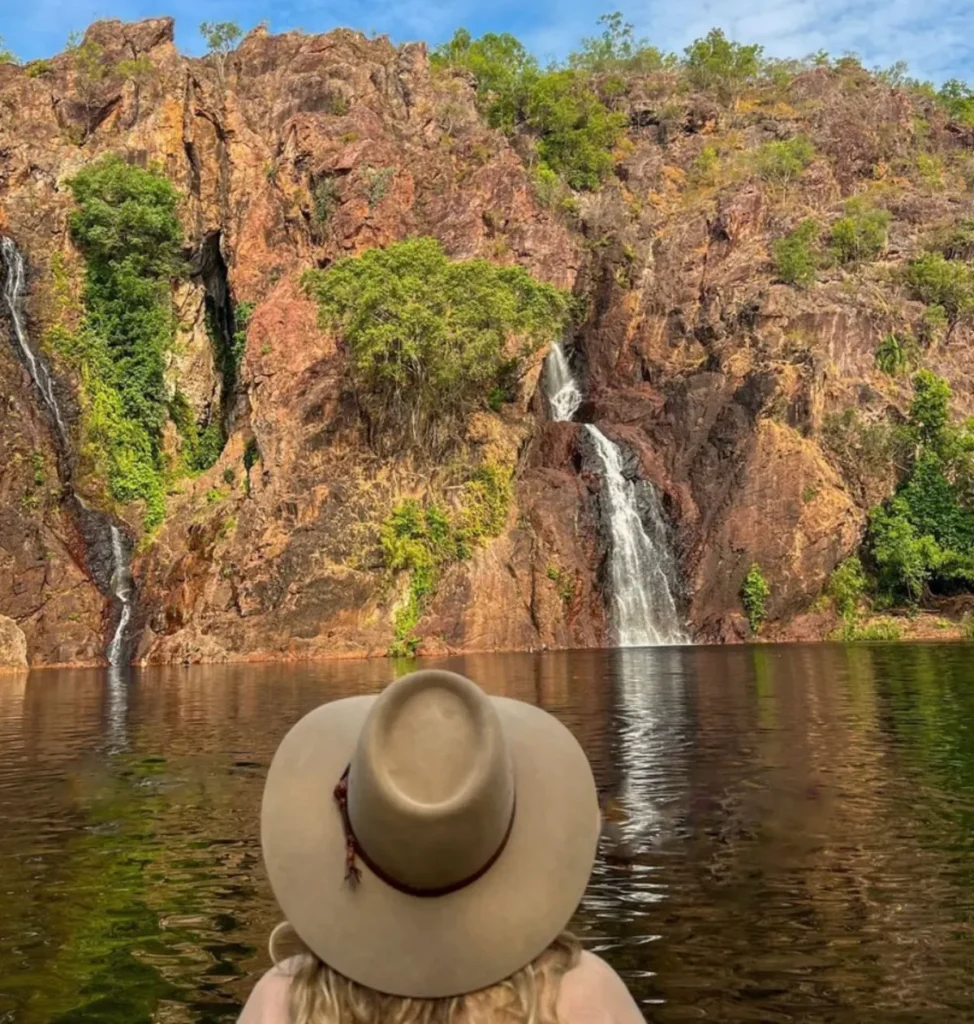
- Sun Protection: Bring sunscreen, hat and sunglasses to protect yourself from sunburns when doing outdoor activities around midday.
- Food: You can get food at the picnic sites, but bring some with you for a better experience, especially if you’re planning to stay here for the whole day.
- First Aid Kit: A small first aid kit can come in handy in case someone gets minor injuries or emergencies. This includes bandages, antiseptic wipes and other general meds that you might need while you’re here.
To have a great time at Litchfield National Park, follow these tips and be prepared. Follow these tips to have an awesome time at beautiful Litchfield National Park.
Things to See & Do in Litchfield
Buley Rockhole
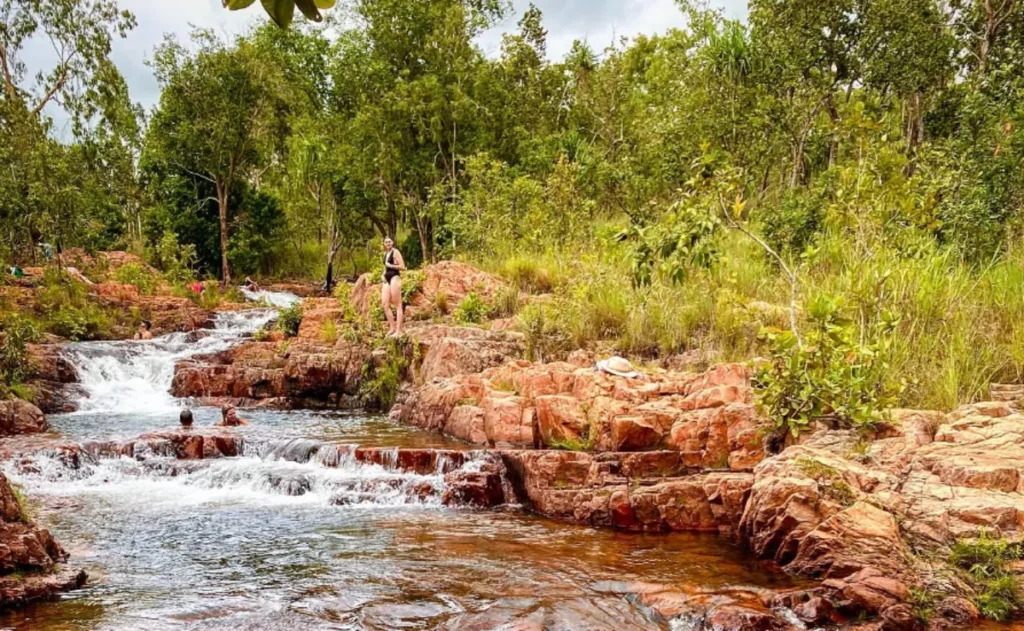
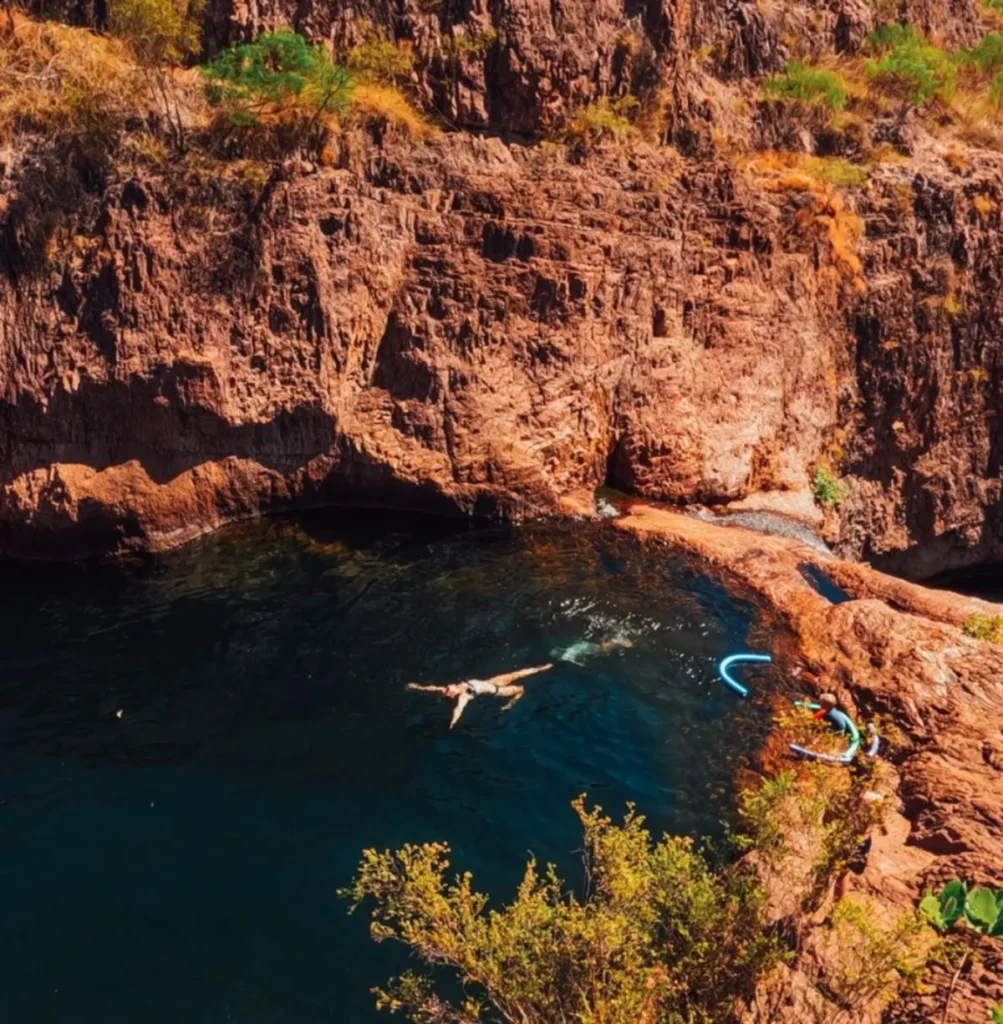
Buley Rockhole is one of the most popular areas of the park, known for its rock holes and waterfalls that’s an oasis from the heat. The pools are in a tropical setting with many levels to swim or rest. There’s a shaded area around the rockholes where you can have a picnic and enjoy your lunch while taking in the views. The gentle water cascading creates a peaceful atmosphere that’s perfect for families looking for a quiet yet energizing spot to chill out.
Florence Falls
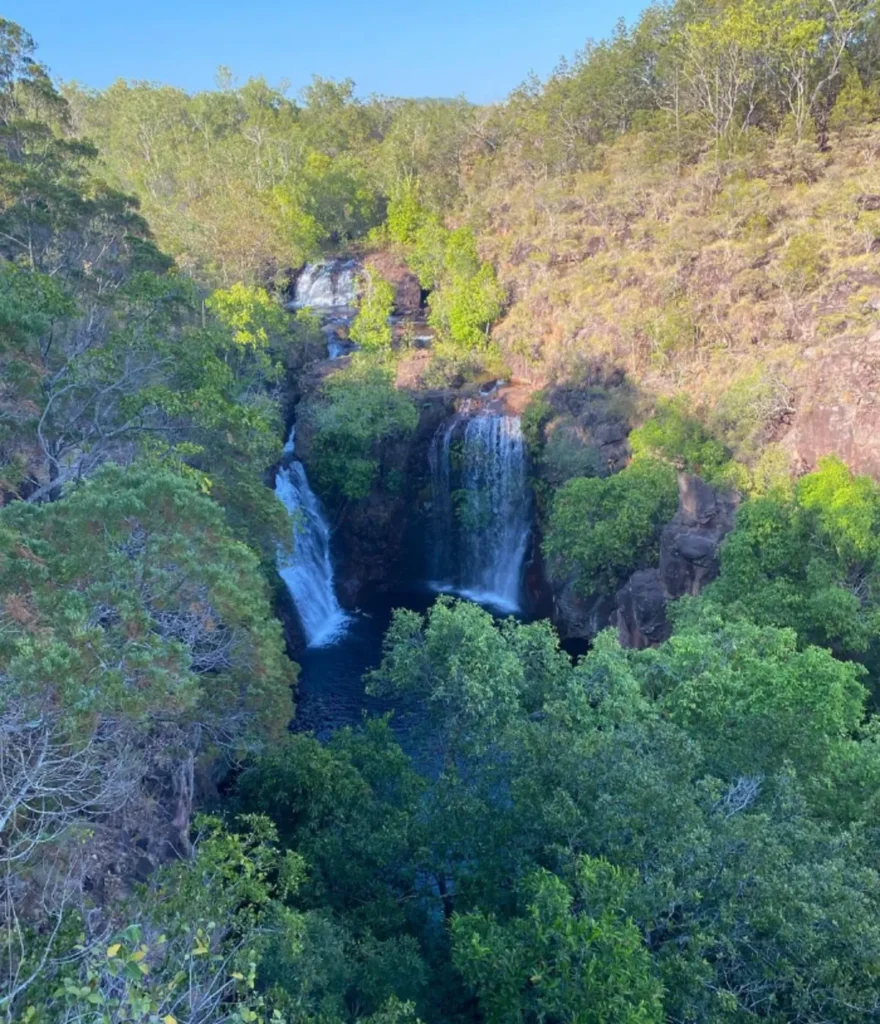
Florence Falls is one of Kakadu’s most beautiful falls, and its twin cascades into a deep pool. This fall is surrounded by rocky escarpments covered in greenery, making for great photos that are against this backdrop. The clear, cool waters at the base of this fall are perfect for swimming during hot weather as they’re a relief from the heat waves during summer. A well-maintained walking track leads up to a viewing platform that gives you a panorama of both sets of falls and out into the wilderness beyond, so it’s no wonder why this spot is a favourite among nature lovers and photographers who want to capture the contrast between the tumbling water and lush tropics.
Tolmer Falls
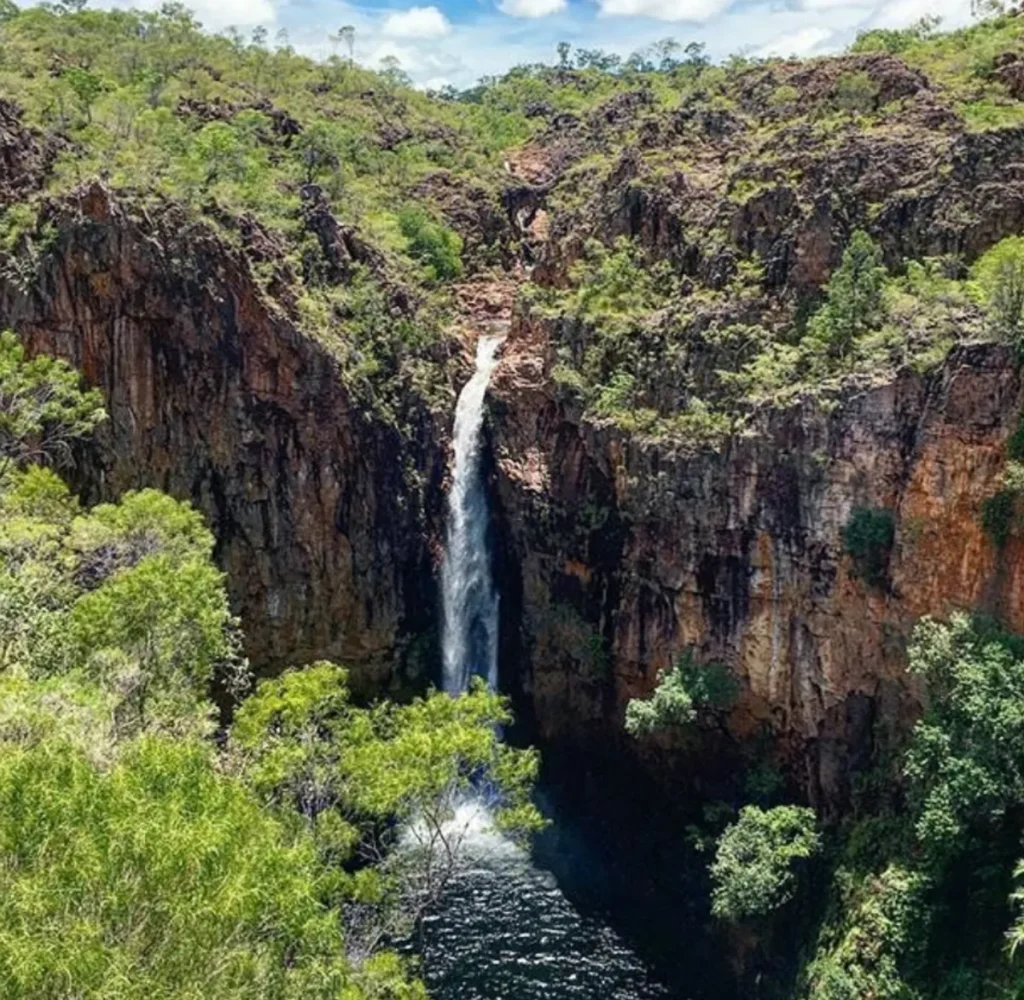
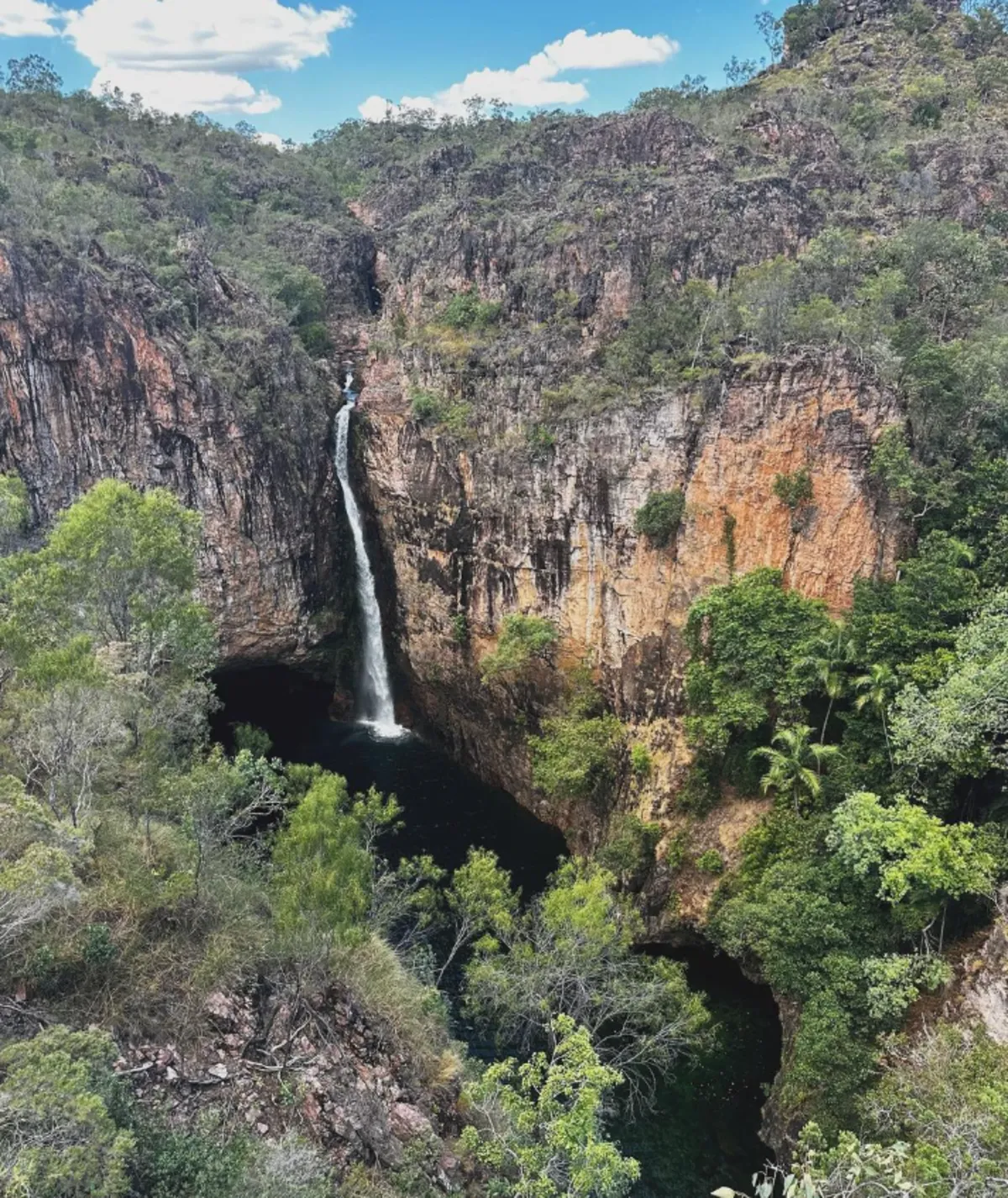
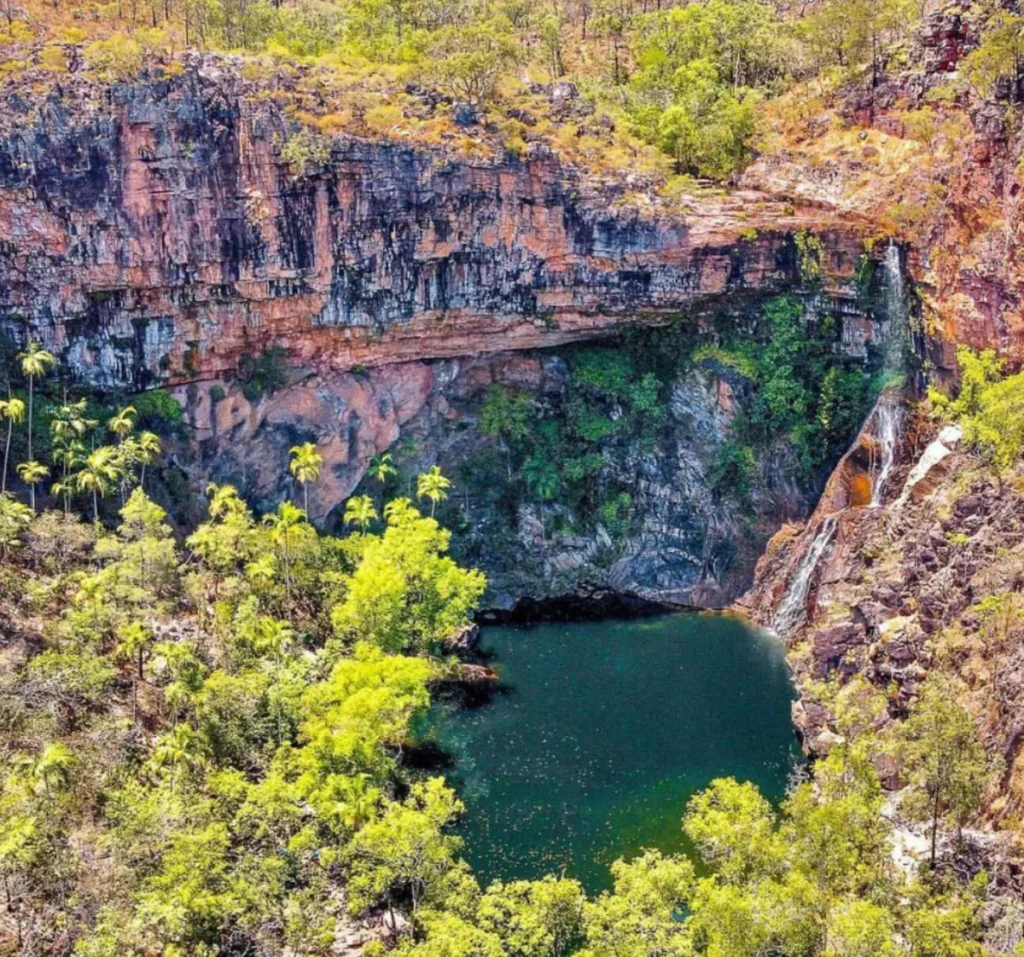
Tolmer Falls drops vertically over cliffs, so you get good views from the lookout, but there’s nowhere to get up close to the falls themselves, unfortunately. These falls are special when flowing well in the wet season, but you won’t get wet yourself or see anyone else doing so unless it’s raining at the time of visit, as swimming is not allowed due to saltwater crocs and would damage the environment around them badly. But it’s still worth going just for the views alone. From the lookout, you can see both upper and lower cascades and the open spaces beyond, which are beautiful all year round, thanks to this being an icon of Kakadu National Park.
Tjaetaba Falls
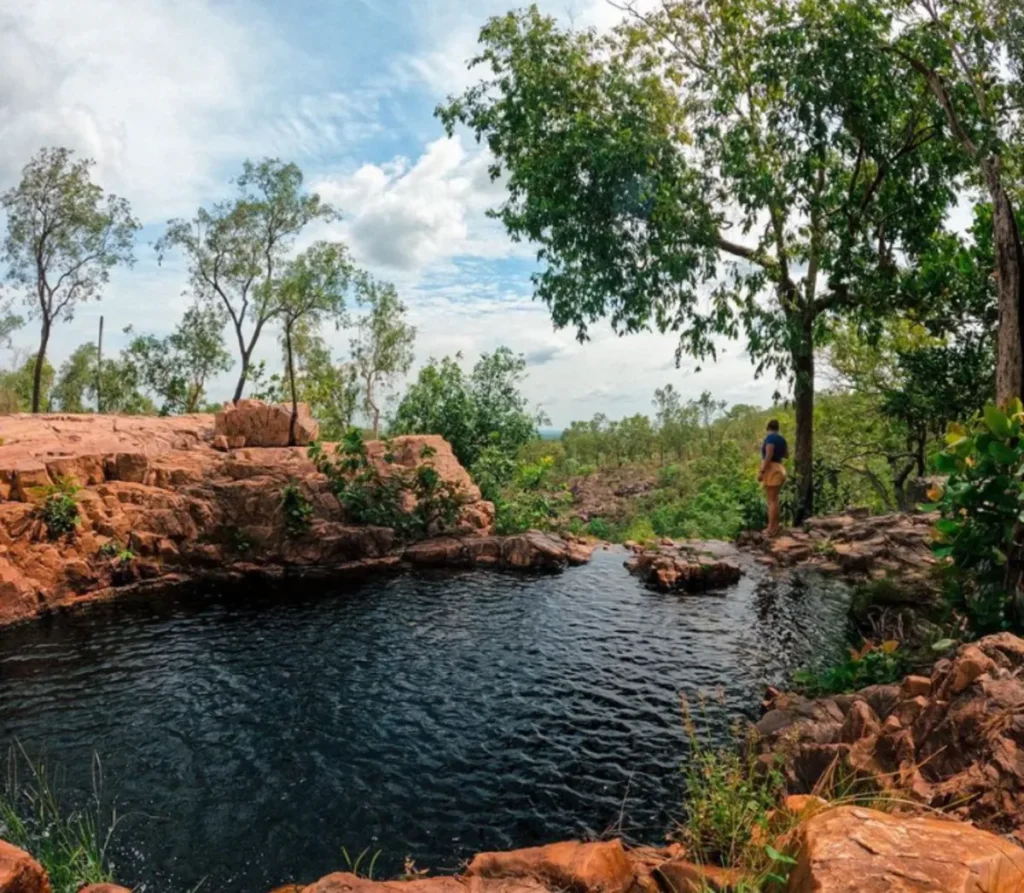
Tjaetaba Falls are lovely, and there’s a natural pool at the bottom where you can swim when it’s hot, which is the dry season for most of the time. They’re very gentle with the water flowing over rocks rather than dropping from a height, so they always sound peaceful even if they look dramatic sometimes, especially after rain. Fewer people come here than in other places nearby, so that means more privacy for everyone, including the animals who might like some peace and quiet away from humans for once, too, maybe?
Wangi Falls
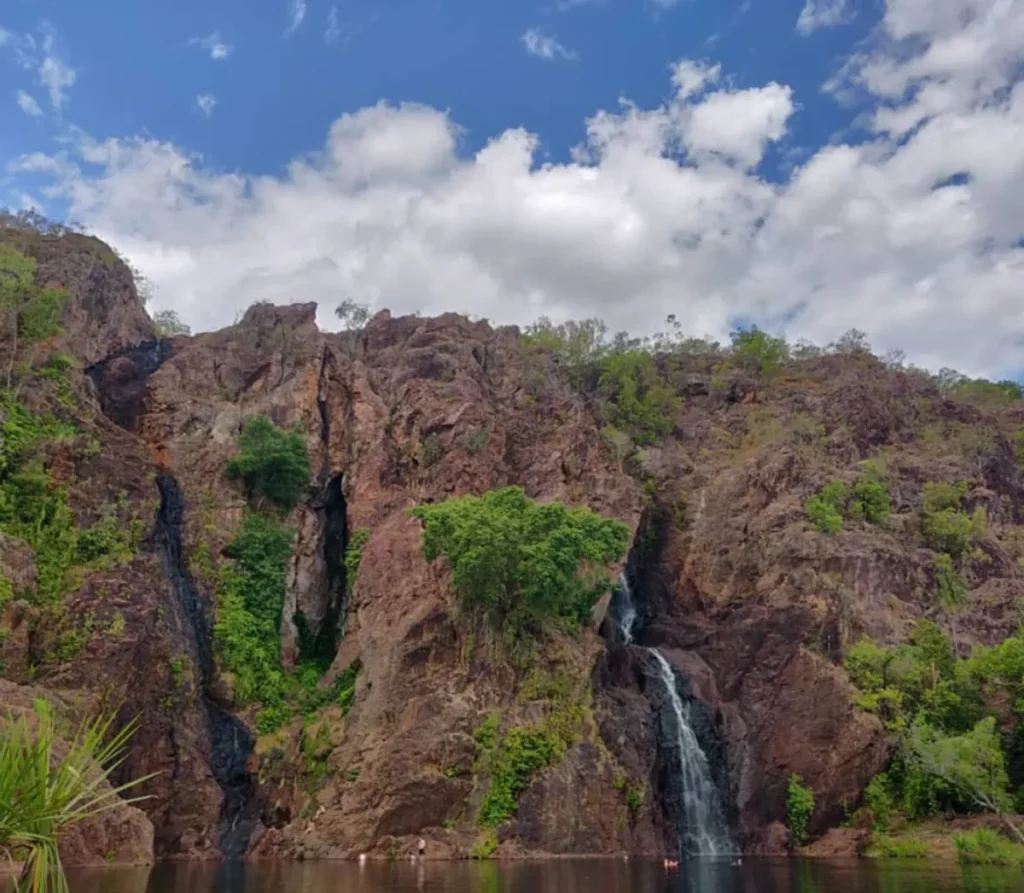
Wangi Falls are one of the most popular swimming holes in Kakadu National Park and are at the base of a steep escarpment surrounded by monsoon forest. A large pool fed by the 250m waterfall that flows in the wet season is an oasis in this tropical landscape. They’re popular with families and kids because they’re easy to get to and beautiful against the greenery.
The Cascades
The Cascades are multiple waterfalls flowing into natural pools where you can swim or take a dip on hot days. The water flows gently over rocks between each level, so there’s a soothing sound to this place, too. The pools are great for picnicking while listening to birds and watching dragonflies or turtles basking in the sun on the banks. The surrounding area has rainforest trees with ferns under them, so you get shade from the direct sun, making it a great place to relax after exploring other parts of Kakadu National Park.
Magnetic Termite Mounds

One of the interesting things you’ll find in Kakadu National Park is magnetic termite mounds, which can grow up to 4 meters tall and point north-south like compasses. This is for protection from the harsh sun, as one side can’t get too much sun, and the temperature is constant inside these homes. Besides being a great sight, they’re also educational as you get to learn more about termites, but not only that but also how important they are in the ecosystem themselves, so you’ll see signs along some tracks where you can get up close and learn about these busy insects.
Indigofera Ecotours
Indigofera Ecotours takes you through Kakadu with guided trips that focus on learning and environmental sustainability. They let you explore different habitats within the park, learn about the biodiversity and appreciate the ecological values of the places. The guides leading these tours have extensive knowledge of the plant life in this park as well as animals’ behaviour and conservation efforts being done here by the relevant parties. Sustainable tourism is promoted by Indigofera Eco Tours so you should leave having learned more about the nature around you.
The Lost City
The Lost City is an area of ancient rock formations and geological features that got its name because of its resemblance to cities built by humans. It offers visitors an opportunity to walk through narrow gorges and over high ridges, which give panoramic views of the area or climb up sheer cliffs onto table-topped mesas where you can see deeply incised valleys stretching into the distance beneath you. These unique landforms show not only how long natural forces have been working on them but also what happened millions of years ago when all this was underwater. So hiking trails give you a chance not only to see the magnificent landscapes within Kakadu’s interior but also to learn more about the prehistoric events that created such dramatic scenery.
Berry Springs Natural Reserve
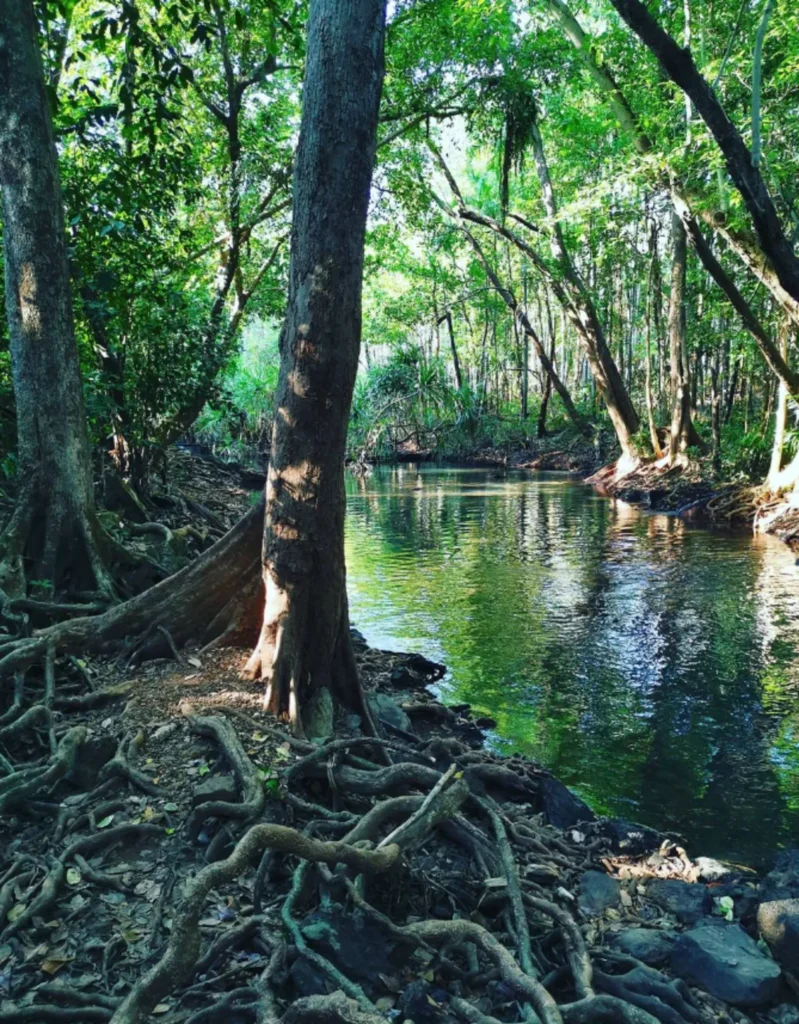
Berry Springs Nature Reserve is a nice spot that has a string of hot springs and pools. The mineral-rich waters are perfect for city dwellers who want to get away from the noise. Also, these natural thermal baths are famous for their healing properties. There are rivers with clean water surrounded by tall trees where you can swim or dive to cool down when it gets too hot during summer. Besides providing shade from the sun, this area has calm surroundings with lots of plants, so it looks more beautiful and peaceful as you relax.
Litchfield National Park and Jumping Crocodile Cruise

You can have more fun at Litchfield National Park if you do the jumping crocodile cruise on the Adelaide River. What happens is the boats are full of people, and they take you around the saltwater crocodiles’ territory, where they jump out of the water to grab food that is being dangled in front of them. This is not only an insight into wildlife but also fun! Besides the waterfalls like Wangi and Florence Falls, the lush vegetation and diverse fauna within the park make LNP perfect for nature lovers and adventure seekers.
Darwin Tours to Litchfield National Park
If you want to make your trip count, then do the day tours from Darwin, which will give you transport and guides who know all the corners, so nothing is left unturned while exploring this amazing place. These trips usually cover visiting different sites like falls and pools and others in the parks and learning about the plants and animals that live in those areas from the guides on board during the journey. They try their best to make sure nobody misses out on anything at Litchfield NP, as everyone should have a good time while they benefit from the informed operators. Whether you want to relax or have an adventure, these tour packages give you the best opportunity to see the scenic beauty of the park.
In summary
Every season is a good time to visit Litchfield National Park, as it has something for you all year round. You can go during the dry season and swim in many places as there is no rain and clear skies, or go during the wet season and explore the monsoon forests with lush greenery. The waterfalls are beautiful, the pools are natural, and the landscapes are stunning at any time of the year. Plan according to the season so you don’t miss out on the views this place has to offer.
FAQ
When to visit Litchfield National Park?
May to October is the best time to visit as it’s dry season and temperatures drop, so it’s good for seeing falls and swimming.
What if I want to visit during the wet season?
Yes, some areas may be closed due to floods and a higher chance of saltwater crocs. Always check road conditions and park alerts before you head out.
Can I swim at all waterfalls in LNP?
Swimming is allowed at Florence, Wangi Falls and Buley Rockholes but not at Tolmer Falls due to freshies (freshwater crocodiles).
Is there accommodation around or within the park?
Yes! There are several camping sites, including Florence Falls Campground, Wangi Falls Campground, and others in the nearby areas, and Berry Springs has its own options, too.
What do you bring for a day trip to Litchfield National Park?
For a day trip, bring plenty of water, bug spray, sunscreen, comfortable shoes for walking, a camera and a picnic lunch if you want to use the park’s picnic tables and swim in the pools.