A journey into the wildlife watching along the Great Ocean Road is not just about enjoying beautiful views; it delves intimately into the habitats that support a host of native species, making this part of Australia’s coast one of its most vibrant. This scenic route leads through various landscapes such as wild seashores, sandy ones, ancient woods and stormy rocks, each offering special opportunities to see animals in their natural environments. The region’s biggest draw is its merging together of natural simplicity, animal life wonders and geological formations hence it serves as an ideal destination not only for nature lovers but also ecotourists.
Great Ocean Road’s Natural Biodiversity
The Great Ocean Road has more than a thoroughfare status but opens up access to some pristine Australian ecosystems with a rich diversity of fauna and flora. Over 240 kilometers along Victoria’s southern coastline from iconic surf at Bells Beach down to deserted Johanna beach. The journey does not just provide you with an opportunity for a classic car trip but also takes you deep into the heart of nature, where every bend reveals new vistas and tales about the local inhabitants.
National Parks and Reserves Exploration
Port Campbell National Park: A Sanctuary by the Sea
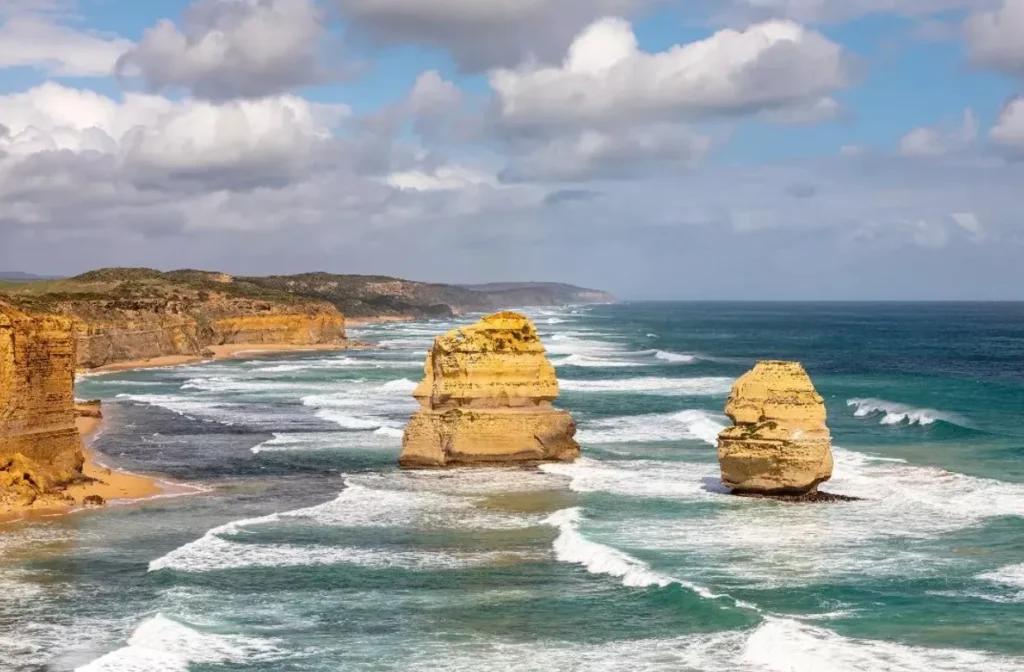
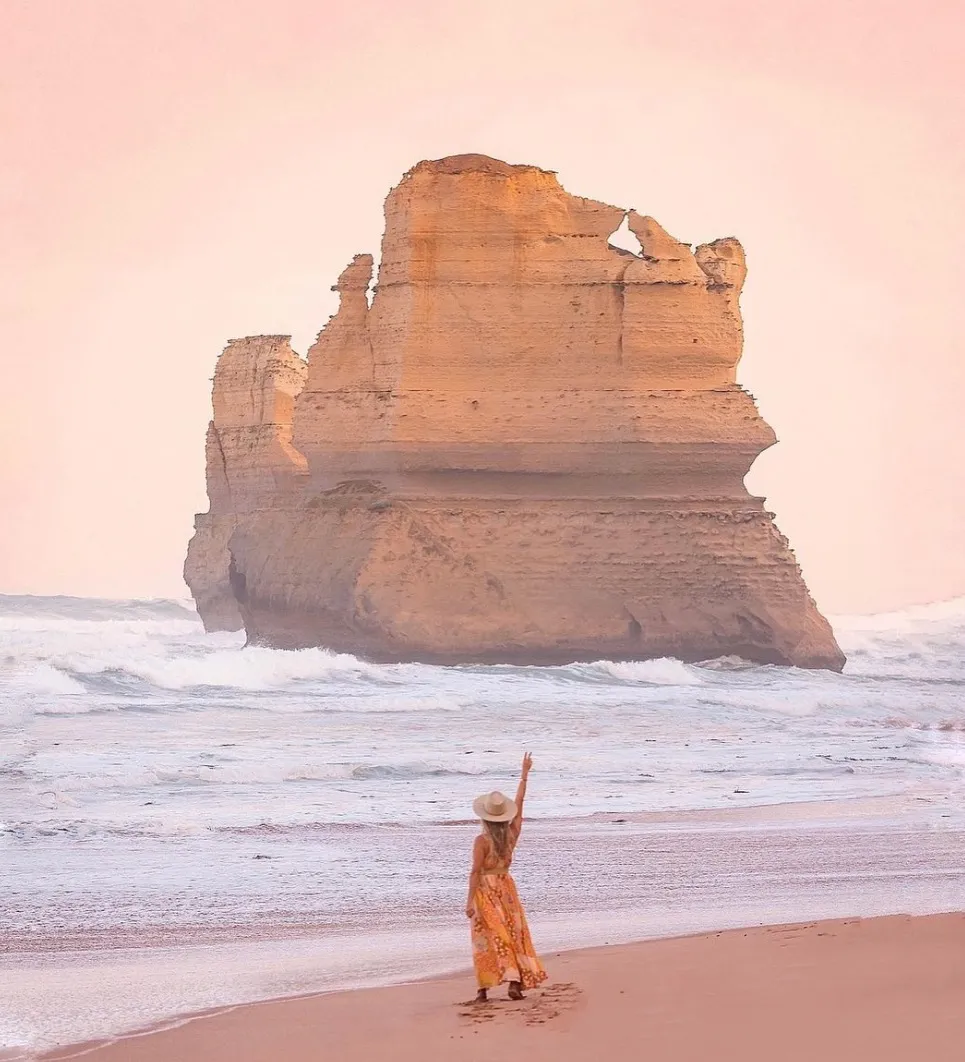
Port Campbell National Park on Australia’s famous shipwreck coast epitomises its dramatic beauty with limestone cliffs and deep coastal valleys formed where the sea meets rugged shoreline. Apart from having breathtaking scenery, the park is home to many marine life species living on its shores. Seabirds ride drafts over cliffs easily, while rockpools and bays are teeming with multi-coloured fishes. In addition, touring this park means getting acquainted with how well-balanced geological miracles are interconnected with the animal world.
Cape Otway National Park: Where Forest Meets the Sea
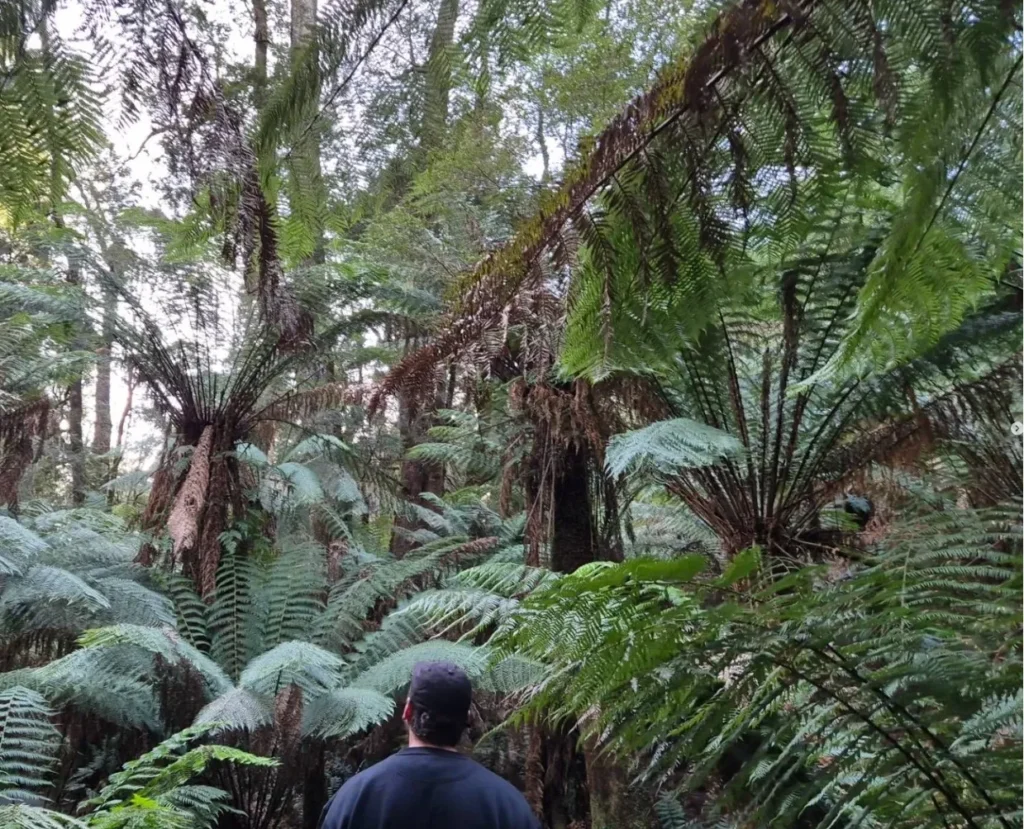
One proceeds further along Great Ocean Road until Cape Otway becomes visible due to the historical Cape Otway Lighthouse standing there. The surrounding Cape Otway National Park boasts more than just its panoramic vistas as it is regarded as a habitat for multiple species. The thick eucalyptus forests are occupied by koalas hugging ancient trees and munching leaves. At the foot of the tree branches, there is a tangle of pathways through low undergrowth where one may come across terrestrial mammals and many birds, including bright parrots or shy yellow robins, amongst others, making it an important part of any wildlife guide.
The Grampians National Park: A Contrast in Landscapes
Any devoted lover of animals must visit Grampians National Park even if this means taking a detour off the main Great Ocean Road track. This park comprises diverse topography, from dunes to towering rock formations that offer suitable habitats for different creatures. Here, emus can be seen walking around open woodland or grazing kangaroos during twilight hours. The park testifies to Australian fauna’s endurance and adaptation, which can be explored both during daytime and at night when indigenous animals are in their nocturnal activities.
Coastal Towns and Villages for Wildlife Watching
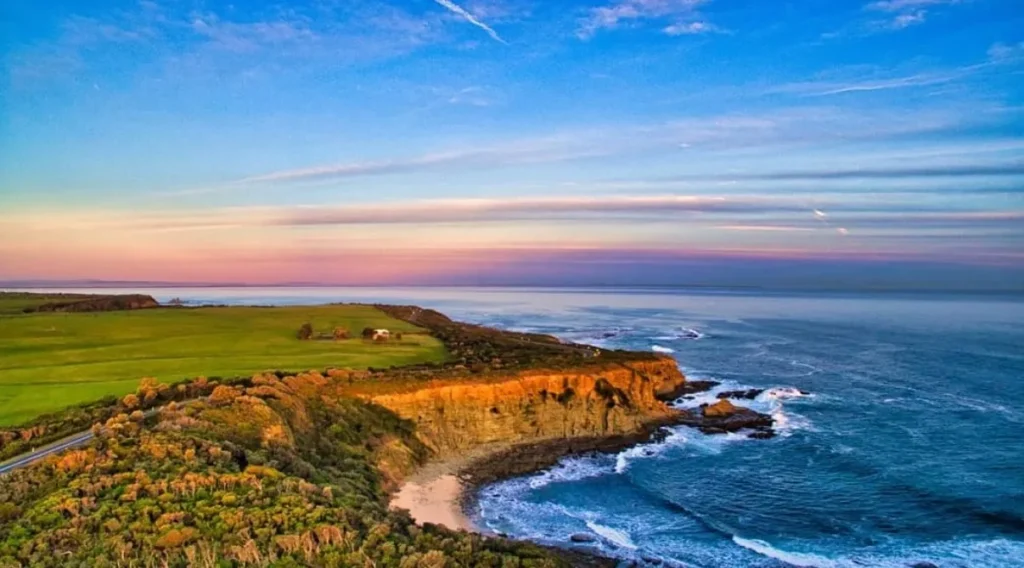
The coastal towns such as Apollo Bay, the charming seaside town, or Port Fairy, with its rich cultural heritage, are where one could go for a more relaxed wildlife watching. This is a place where you can feel local people’s love of nature with the conservation efforts they often lead.
Port Fairy: A Coastal Gem with Rich Birdlife
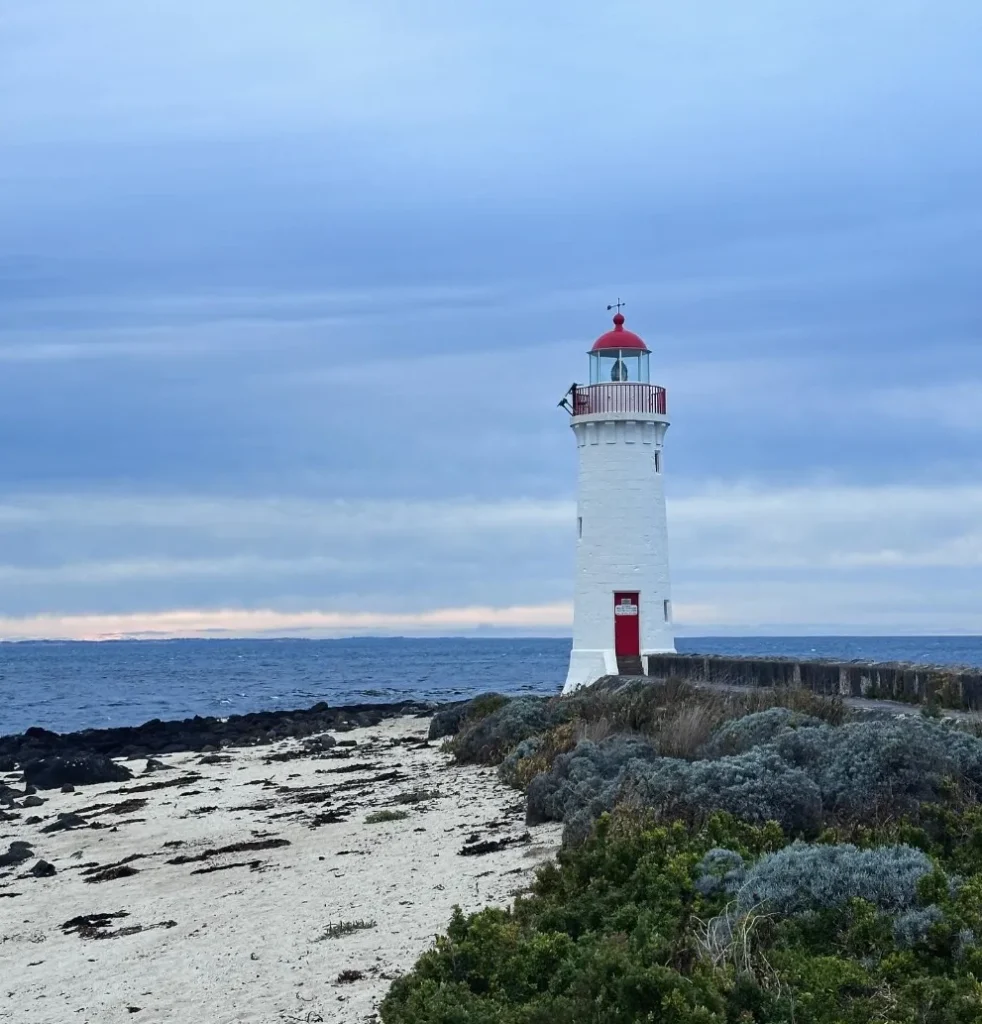
Port Fairy might appear sleepy at first glance but it is a bird watchers’ paradise. Griffiths Island in close proximity to the town is home to numerous species of seabirds and migratory birds. The causeway leading over to the island boasts breeding colonies of shearwaters and other marine birds that make it an ideal birding location for those who want to add some more species to their lists.
Kennett River: A Koala’s Haven
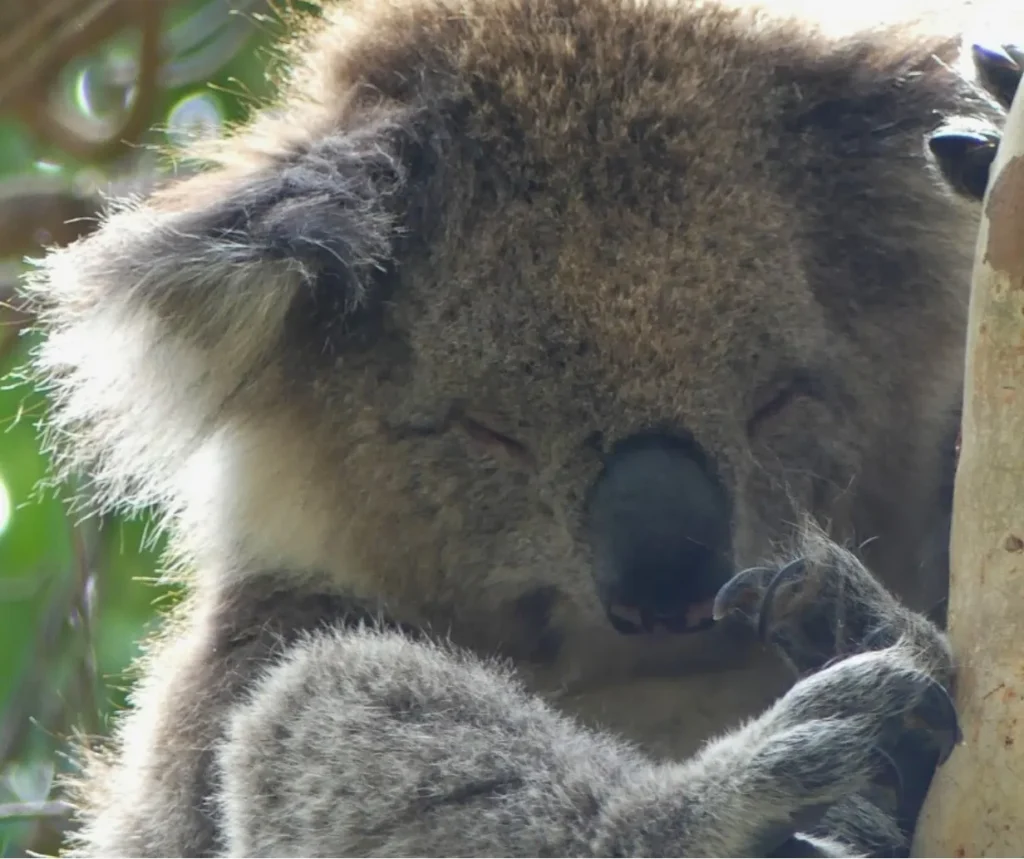
Though Kennett River is small in size when compared to other spots, it holds great significance regarding wildlife observation. Along Grey River Road in this area, visitors get an opportunity to see koalas, which roam freely in Australia than anywhere else on Earth. These iconic Australian animals frequent many of these eucalypts, creating exquisite moments for onlookers who don’t have to travel far from their cars.
Engaging with Local Wildlife Safely and Responsibly
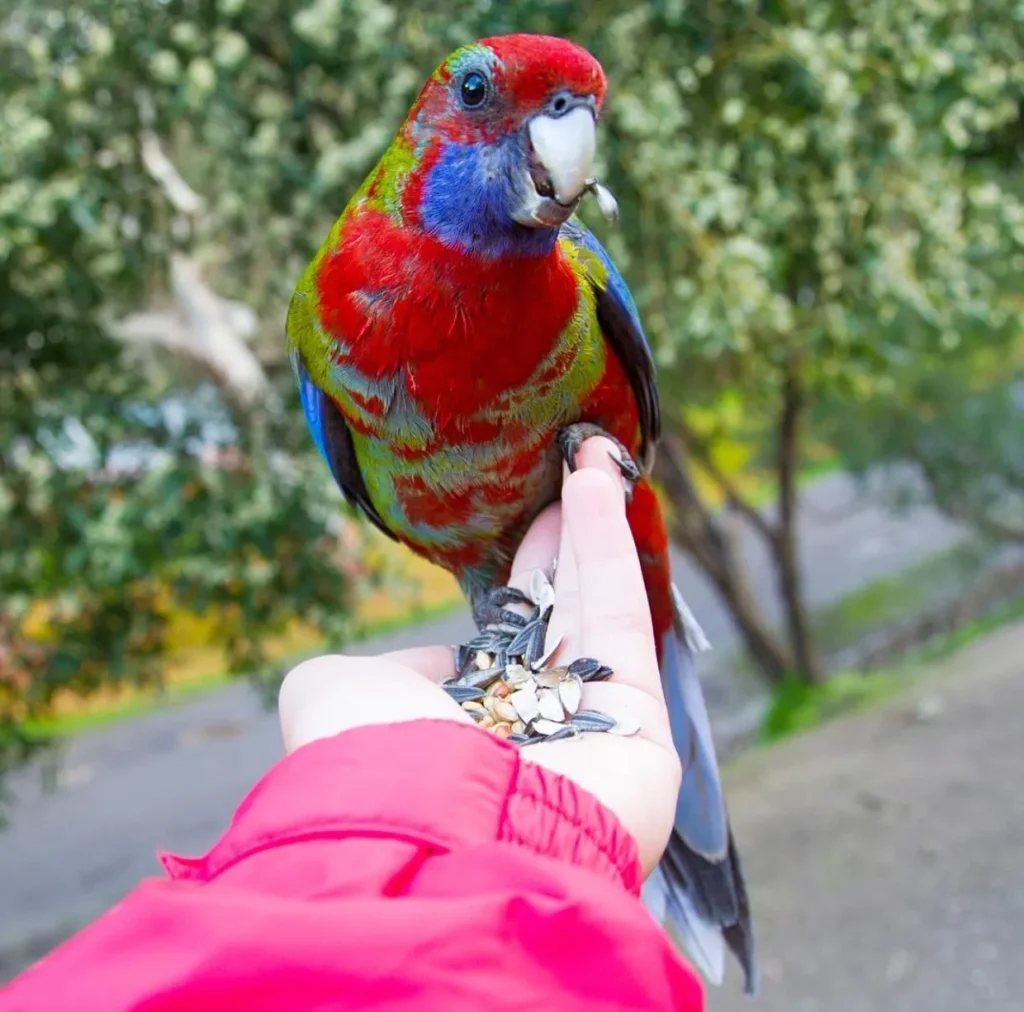
However, while there are ample opportunities along the Great Ocean Road for wildlife viewing experiences, people must be responsible when dealing with nature. Observers should follow instructions given by professionals in order not to disturb natural habitats while maintaining distance from any wild animal they come across. This makes sure that all parties involved have fun during wildlife watching trips without causing any harm.
List of Do’s and Don’ts for Wildlife Watching:
- Use binoculars instead of getting close enough to scare away or interfere with animals;
- Respect national parks’ signs by staying on assigned trails;
- Don’t feed wild animals because that will change their diet plans and behaviors;
- Do not touch or take selfies with animals.
Unveiling the Hidden Gems: Beyond the Main Attractions
The highlights of any Great Ocean Road wildlife viewing trip take in national parks and popular coastal towns, however, there are many other less known places that offer an equally thrilling wildlife experience. Often these become havens where peace is enjoyed away from crowds.
Mt Rothwell Sanctuary: A Night-time Adventure
Located on a side road off the main Great Ocean Road route, Mt Rothwell Sanctuary provides an opportunity to witness rarely-seen nocturnal creatures during daytime. This is a park dedicated to preserving endangered species; it offers night 12 Apostles tour from Melbourne for visitors who can spot some of Australia’s hardest-to-find animals like Eastern quoll or Southern Bettong. The thrill of walking through this preserve after dark is as much about learning as it is about fun because it stresses why these conservation efforts are necessary for saving unique Australian fauna.
Melba Gully: The Lush Rainforest Experience
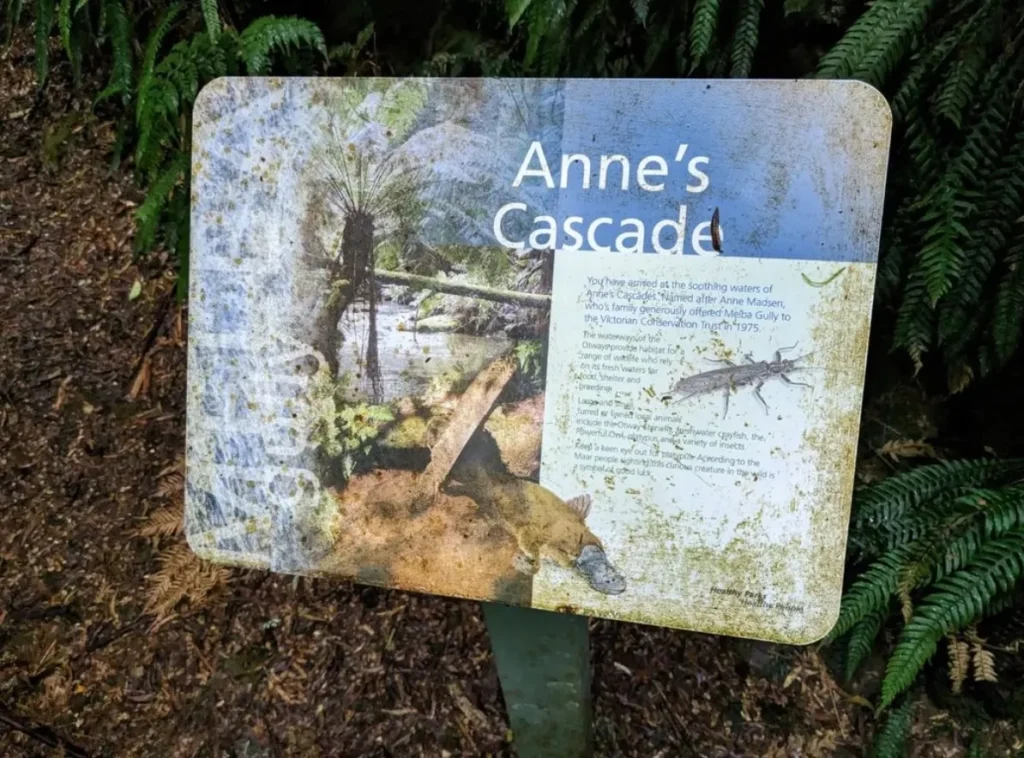
Another unique place is Melba Gully, which is among the wettest regions in Victoria and has a blanket of thick rainforest. This is particularly true at night when the walkways are illuminated by thousands of glowworms, creating a sense of enchantment. The shade throughout the day makes it possible for ferns and mosses to grow luxuriantly as well as provides a cool ground for various bird species. Unlike the Great Ocean Road’s coastal landscapes, the gully embodies a diverse environment.
Tower Hill Wildlife Reserve: A Volcanic Crater Full of Life
Wildlife lovers must also include Tower Hill Wildlife Reserve on their itinerary; it lies within an extinct volcanic crater. A number of indigenous Australian animals can be seen roaming freely here in their natural habitats. These geological formations not only create spectacular views but also host many different ecosystems inside this crater. The local guides run educational programs that explain both traditional culture and historical events in relation to the region.
Engaging with the Community and Conservation Efforts
The Great Ocean Road is more than just an area that abounds in wildlife; it is a community that depends heavily on natural resources. Many local businesses including tour operators are adopting environmentally friendly practices thus increasing awareness on nature based tourism while protecting nature . Involving people in these eco 12 Apostles Tour offer support to locals while facilitating conversation hence making wildlife watching experience better through meaningful participations resulting into improved ecological settings at stake.
List of Recommended Eco-Tours:
- Otway Eco Tours: Conducted walks take tourists through ancient Otway Ranges rainforests, where they learn about its botany and fauna.
- Grampians 2-Day Wildlife Encounter: This comprehensive tour explores Grampians National Park, paying attention to native animals and natural scenery.
- Port Campbell National Park Marine Tour: Snorkeling or diving along the shipwreck coast is the best way to appreciate its marine biodiversity.
- Apollo Bay Eco Kayak Adventures: There are chances of seeing dolphins, seals and sometimes whales while paddling through calm Apollo Bay waters.
Conclusion
Wildlife watching along the Great Ocean Road is a journey that surpasses conventional tourism. It is an exploration of different landscapes with their numerous species and experiences that allow us to feel connected to nature at its deepest level. The captivating views of the ocean and rugged terrain from this route alone are just but a tip of the iceberg. Every national park, sanctuary or coastal town along the way tells its own tale about nature and conservation. When visitors engage responsibly with these settings, providing support for local conservation efforts, they guarantee that these irreplaceable treasures will be preserved for generations to come.
Frequently Asked Questions
What should I know before going on a wildlife-watching trip along the Great Ocean Road?
To make your experience more meaningful it is important to have an idea about your destinations, expected animals as well as best season for watching them. Remember also to pack binoculars, a good camera, clothing suitable for all weather conditions which may change at any time and field guides useful in species identification.
Is it possible to participate in any conservation activities while I am here?
Yes, there are many local organizations which give tourists a chance to take part in conservations like cleaning up the beaches and planting trees. These events are usually advertised by tourist offices available locally and are good for those people who would like giving back to nature.
Do I have any safety considerations as I watch wildlife?
Although watching wildlife is generally safe, one must always stick to marked trails and adhere strictly to park directives, especially in areas with potentially dangerous animals. Also, you should always check out weather conditions before undertaking hiking trips and carry enough water along with other necessities.
What are the chances of encountering sea life along the Great Ocean Road?
The likelihood is high particularly during whale migratory times or dolphin seasons. You can spot whales especially between June and September at places such as Logan’s beach. All year round, various species of seals and dolphins can be spotted near shorelines.
How do I make sure that I am not disturbing these creatures of nature while observing them at close range?
Avoid getting too close to any animal so that you do not cause discomfort or panic. For a better view use binoculars or zoom lenses. Providing food or attempting to touch the animals is highly discouraged since it can change their natural behavior and health.